Essential Automotive Maintenance Tips to Improve Vehicle Performance and Longevity
Proper automotive maintenance is the key to keeping your vehicle running smoothly, efficiently, and reliably for years to come. Whether you drive a brand-new car or an older model with high mileage, regular maintenance not only improves vehicle performance but also extends its lifespan and helps prevent costly repairs. In today’s world of advanced automotive technology, taking care of your vehicle has become more important than ever.
This comprehensive guide covers essential automotive maintenance tips that every car owner should follow to ensure optimal performance, safety, and longevity.
Why Automotive Maintenance Matters
Regular vehicle maintenance goes far beyond routine oil changes. A well-maintained car delivers better fuel efficiency, smoother handling, improved safety, and higher resale value. Neglecting maintenance can lead to reduced performance, unexpected breakdowns, and expensive repairs that could have been avoided with simple preventive care.
By following a structured maintenance routine, drivers can identify potential issues early and keep their vehicles operating at peak condition.
1. Follow the Manufacturer’s Maintenance Schedule
One of the most important automotive maintenance tips is to follow the manufacturer’s recommended service schedule. This schedule is designed based on extensive testing and outlines when specific components should be inspected, serviced, or replaced.
Key items typically included in a maintenance schedule are:
- Oil and filter changes
- Brake inspections
- Tire rotation and alignment
- Fluid checks and replacements
- Belt and hose inspections
Sticking to this schedule ensures that your vehicle receives timely care and reduces the risk of major mechanical failures.
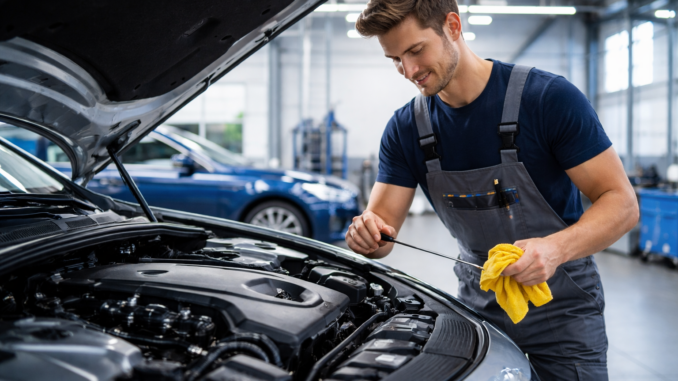
2. Regular Oil Changes for Engine Health
Engine oil plays a critical role in lubricating moving parts, reducing friction, and preventing overheating. Over time, oil breaks down and becomes contaminated with dirt and debris, reducing its effectiveness.
Regular oil changes help:
- Maintain engine efficiency
- Prevent excessive wear
- Improve fuel economy
- Extend engine life
Most modern vehicles require oil changes every 5,000 to 10,000 kilometers, depending on the oil type and driving conditions. Always use the oil grade recommended by the manufacturer for best results.
3. Monitor and Maintain Tire Condition
Tires are the only point of contact between your vehicle and the road, making their condition essential for performance and safety. Poorly maintained tires can lead to reduced traction, uneven wear, and decreased fuel efficiency.
Essential tire maintenance includes:
- Checking tire pressure regularly
- Rotating tires at recommended intervals
- Inspecting tread depth
- Ensuring proper wheel alignment
Correct tire pressure improves handling, braking, and fuel economy while extending tire life.
4. Keep the Braking System in Top Condition
The braking system is one of the most critical safety components of any vehicle. Regular brake inspections help ensure reliable stopping power and prevent damage to related parts.
Signs that your brakes need attention include:
- Squeaking or grinding noises
- Vibrations when braking
- Reduced braking responsiveness
- Warning lights on the dashboard
Replacing brake pads and servicing brake fluid on time not only improves performance but also protects brake rotors and calipers from excessive wear.
5. Check and Replace Fluids Regularly
Your vehicle relies on multiple fluids to function properly. In addition to engine oil, other important fluids include coolant, transmission fluid, brake fluid, power steering fluid, and windshield washer fluid.
Proper fluid maintenance helps:
- Prevent overheating
- Ensure smooth gear shifting
- Maintain braking efficiency
- Protect internal components
Regularly checking fluid levels and replacing them as recommended keeps your vehicle running smoothly and prevents costly damage.
6. Maintain the Battery and Electrical System
A healthy battery is essential for starting your vehicle and powering its electrical systems. Extreme temperatures, short trips, and age can all affect battery performance.
To maintain your vehicle’s battery:
- Check battery terminals for corrosion
- Ensure secure connections
- Test battery voltage periodically
- Replace the battery when performance declines
Modern vehicles rely heavily on electronics, so maintaining a strong electrical system is crucial for reliable operation.
7. Replace Air Filters for Better Efficiency
Air filters play a vital role in engine performance by preventing dust, debris, and contaminants from entering the engine. A clogged air filter restricts airflow, reducing power and fuel efficiency.
Replacing the engine air filter:
- Improves acceleration
- Enhances fuel economy
- Protects engine components
Cabin air filters should also be replaced regularly to maintain clean air inside the vehicle and improve comfort.
8. Pay Attention to the Cooling System
The cooling system regulates engine temperature and prevents overheating. A malfunctioning cooling system can lead to severe engine damage if not addressed promptly.
Key cooling system maintenance tips include:
- Checking coolant levels
- Inspecting hoses and radiator for leaks
- Flushing and replacing coolant as recommended
Keeping the cooling system in good condition ensures consistent engine performance and prevents breakdowns in hot or demanding driving conditions.
9. Inspect Belts and Hoses
Belts and hoses are essential for powering various engine components, including the alternator, air conditioning system, and water pump. Over time, they can crack, fray, or weaken.
Regular inspections help identify:
- Cracks or fraying
- Loose or worn belts
- Leaking or brittle hoses
Replacing worn belts and hoses before they fail helps avoid sudden breakdowns and expensive repairs.
10. Maintain the Transmission System
The transmission is one of the most complex and expensive components of a vehicle. Proper maintenance is essential to ensure smooth shifting and long-term reliability.
Transmission maintenance includes:
- Checking transmission fluid levels
- Replacing fluid at recommended intervals
- Addressing unusual noises or shifting issues promptly
Well-maintained transmissions deliver better performance and significantly extend vehicle lifespan.
11. Keep the Vehicle Clean Inside and Out
While cleanliness may seem cosmetic, it actually contributes to vehicle longevity. Dirt, road salt, and grime can cause corrosion and damage over time.
Regular washing and waxing:
- Protect the paint and body
- Prevent rust formation
- Preserve resale value
Cleaning the interior helps maintain upholstery, prevents odors, and enhances driving comfort.
12. Pay Attention to Warning Lights and Unusual Sounds
Modern vehicles are equipped with advanced diagnostic systems that alert drivers to potential issues. Ignoring warning lights or strange noises can lead to serious problems.
Common warning signs include:
- Check engine light
- Unusual vibrations
- Fluid leaks
- Changes in handling or performance
Addressing these signs early helps prevent minor issues from becoming major repairs.
13. Drive Smoothly and Responsibly
Driving habits have a significant impact on vehicle performance and longevity. Aggressive driving, hard braking, and rapid acceleration increase wear and tear on key components.
Smooth driving habits help:
- Reduce engine stress
- Extend brake and tire life
- Improve fuel efficiency
Responsible driving not only benefits your vehicle but also enhances safety on the road.
Conclusion: Invest in Maintenance for Long-Term Benefits
Essential automotive maintenance is an investment that pays off in improved performance, reliability, and longevity. By following a consistent maintenance routine, monitoring key systems, and addressing issues promptly, drivers can enjoy a smoother and safer driving experience while reducing long-term costs.
As vehicles continue to evolve with advanced technology, regular maintenance remains the foundation of dependable transportation. Whether you are a daily commuter or an occasional driver, taking care of your vehicle today ensures it will serve you well for many years to come.