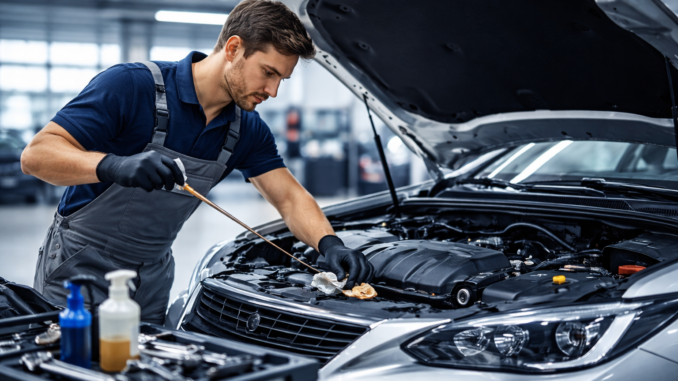
Essential Automotive Maintenance Tips to Improve Vehicle Performance and Longevity
Regular automotive maintenance is one of the most effective ways to ensure optimal vehicle performance, safety, and long-term reliability. While many drivers focus only on fuel efficiency or exterior appearance, proper maintenance goes far beyond basic cleaning or occasional repairs. A well-maintained vehicle not only runs smoother but also lasts longer, retains higher resale value, and reduces unexpected repair costs.
In this article, we explore essential automotive maintenance tips that every car owner should follow to improve vehicle performance and extend its lifespan.
1. Follow a Consistent Maintenance Schedule
Every vehicle comes with a manufacturer-recommended maintenance schedule, usually found in the owner’s manual. This schedule is based on mileage and time intervals and is designed to keep your vehicle operating efficiently.
Why it matters:
- Prevents small issues from becoming major problems
- Maintains engine efficiency and reliability
- Protects warranty coverage
Ignoring scheduled maintenance can lead to premature wear and expensive repairs. Consistency is key when it comes to automotive care.
2. Change Engine Oil and Filters Regularly
Engine oil is the lifeblood of your vehicle. It lubricates moving parts, reduces friction, controls temperature, and prevents engine wear. Over time, oil breaks down and becomes contaminated.
Best practices:
- Change engine oil every 5,000–10,000 km (depending on oil type)
- Replace the oil filter with every oil change
- Use the manufacturer-recommended oil grade
Fresh oil ensures smoother engine operation, improved fuel efficiency, and longer engine life.
3. Monitor and Maintain Tire Health
Tires play a crucial role in vehicle safety, fuel efficiency, and ride comfort. Poorly maintained tires can reduce handling performance and increase stopping distance.
Tire maintenance tips:
- Check tire pressure at least once a month
- Rotate tires every 8,000–10,000 km
- Inspect tread depth and sidewalls for damage
- Ensure proper wheel alignment
Proper tire care improves traction, reduces uneven wear, and enhances overall driving performance.
4. Inspect and Replace Brake Components
Brakes are one of the most critical safety systems in your vehicle. Worn brake components reduce stopping power and increase accident risk.
What to watch for:
- Squeaking or grinding noises
- Vibrations when braking
- Soft or spongy brake pedal
Regular inspection of brake pads, rotors, and brake fluid ensures reliable braking performance and prevents costly repairs.
5. Keep the Cooling System in Good Condition
The engine cooling system prevents overheating and maintains optimal operating temperature. A failure in this system can cause severe engine damage.
Cooling system maintenance includes:
- Checking coolant levels regularly
- Flushing and replacing coolant as recommended
- Inspecting hoses and radiator for leaks
Maintaining the cooling system helps protect the engine and ensures consistent performance, especially in hot climates.
6. Replace Air Filters for Better Performance
Air filters prevent dirt, dust, and debris from entering the engine and cabin. Dirty filters restrict airflow and reduce efficiency.
Types of air filters:
- Engine air filter – affects combustion and fuel efficiency
- Cabin air filter – improves interior air quality
Replacing air filters regularly improves engine response, acceleration, and fuel economy while keeping the cabin environment clean.
7. Maintain the Battery and Electrical System
The battery powers the vehicle’s electrical components and starts the engine. A weak or failing battery can leave you stranded.
Battery care tips:
- Check battery terminals for corrosion
- Ensure secure connections
- Test battery voltage periodically
- Replace the battery every 3–5 years
Proper battery maintenance ensures reliable starting and stable electrical performance.
8. Inspect Belts and Hoses Regularly
Belts and hoses are essential for engine operation, powering systems such as the alternator, water pump, and air conditioning.
Warning signs:
- Cracks or fraying on belts
- Soft, brittle, or leaking hoses
- Squealing noises from the engine
Replacing worn belts and hoses on time prevents sudden breakdowns and protects engine components.
9. Use High-Quality Fuel and Fluids
Using the correct fuel grade and high-quality fluids plays a significant role in maintaining engine health.
Important fluids to monitor:
- Engine oil
- Transmission fluid
- Brake fluid
- Power steering fluid
- Coolant
Clean, high-quality fluids reduce wear, improve efficiency, and extend the lifespan of major vehicle systems.
10. Keep the Transmission in Good Shape
The transmission is one of the most expensive components to repair or replace. Proper maintenance ensures smooth gear shifting and power delivery.
Transmission maintenance tips:
- Check transmission fluid levels and condition
- Change fluid at recommended intervals
- Avoid aggressive driving habits
Maintaining the transmission helps prevent overheating, slipping gears, and premature failure.
11. Pay Attention to Warning Lights and Sounds
Modern vehicles are equipped with sensors and warning systems that alert drivers to potential issues. Ignoring these warnings can lead to serious damage.
What to do:
- Address dashboard warning lights promptly
- Investigate unusual noises or vibrations
- Schedule diagnostics when needed
Early detection saves money and prevents minor issues from escalating.
12. Maintain the Suspension and Steering System
Suspension and steering components affect ride comfort, handling, and tire wear. Worn components reduce vehicle stability.
Maintenance includes:
- Inspecting shocks and struts
- Checking ball joints and bushings
- Ensuring proper wheel alignment
A well-maintained suspension system improves driving comfort and vehicle control.
13. Keep the Exterior and Undercarriage Clean
Regular washing and cleaning protect the vehicle from corrosion, especially in areas exposed to dirt, salt, and moisture.
Benefits of regular cleaning:
- Prevents rust and paint damage
- Preserves resale value
- Protects undercarriage components
Waxing and underbody cleaning provide additional protection against environmental damage.
14. Drive Responsibly to Reduce Wear and Tear
Driving habits directly affect vehicle longevity. Aggressive driving increases stress on the engine, brakes, and suspension.
Smart driving habits:
- Avoid rapid acceleration and hard braking
- Do not overload the vehicle
- Warm up the engine before heavy driving
Smooth driving reduces component wear and improves overall performance.
Conclusion: Small Maintenance Habits Make a Big Difference
Automotive maintenance is not just about preventing breakdowns—it is about maximizing performance, safety, and longevity. By following these essential automotive maintenance tips, vehicle owners can enjoy smoother rides, better fuel efficiency, and fewer unexpected repairs.
Consistent care, attention to warning signs, and responsible driving habits ensure that your vehicle remains reliable for years to come. Investing time and effort into regular maintenance today can save significant costs and inconvenience in the future.
Whether you drive a compact car, SUV, or electric vehicle, proper maintenance remains the foundation of long-term automotive performance.