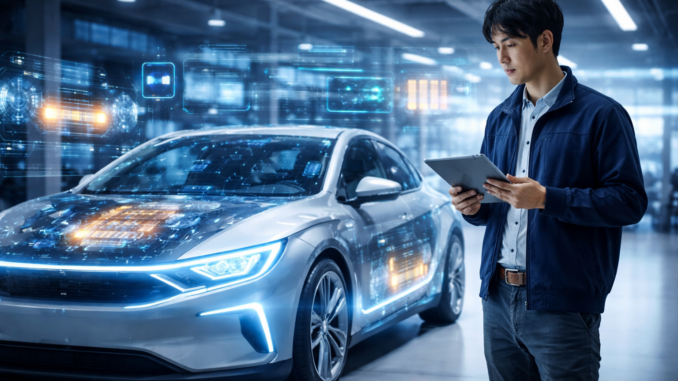
Top Automotive Technology Trends Shaping the Future of Cars in 2026
The automotive industry is experiencing one of the most transformative periods in its history. Rapid advances in technology, changing consumer expectations, environmental regulations, and digital innovation are redefining how vehicles are designed, manufactured, and driven. As we move into 2026, cars are no longer just mechanical machines — they are becoming intelligent, connected, and sustainable mobility platforms.
This article explores the top automotive technology trends shaping the future of cars in 2026, highlighting innovations that will influence manufacturers, drivers, and the global transportation ecosystem.
1. Electric Vehicles (EVs) Becoming the New Standard
Electric vehicles are no longer a niche market. By 2026, EV adoption is accelerating worldwide due to improved battery technology, expanding charging infrastructure, and government incentives aimed at reducing carbon emissions.
Key EV advancements in 2026:
- Longer driving ranges exceeding 500–700 km per charge
- Faster charging times with ultra-fast DC chargers
- Lower battery costs, making EVs more affordable
- Increased availability of electric SUVs, trucks, and performance cars
Major automakers are shifting investments away from internal combustion engines and toward fully electric lineups. As a result, EVs are expected to become a mainstream choice rather than an alternative.
2. Solid-State Batteries Revolutionizing Energy Storage
One of the most anticipated automotive technologies is the commercialization of solid-state batteries. Unlike traditional lithium-ion batteries, solid-state batteries use solid electrolytes, offering significant advantages.
Benefits of solid-state batteries:
- Higher energy density
- Improved safety with reduced fire risk
- Faster charging capabilities
- Longer lifespan and durability
By 2026, early adoption of solid-state batteries is expected in premium and high-performance electric vehicles, paving the way for broader adoption in the following years.
3. Advanced Driver Assistance Systems (ADAS) Getting Smarter
ADAS technology continues to evolve rapidly, making vehicles safer and more intelligent. These systems assist drivers by monitoring surroundings and responding to potential hazards in real time.
Popular ADAS features in 2026:
- Adaptive cruise control with traffic prediction
- Lane-keeping and lane-change assistance
- Automatic emergency braking
- Driver monitoring systems using AI and cameras
While fully autonomous driving is still under development, enhanced ADAS features are reducing accidents and improving overall driving confidence.
4. Progress Toward Autonomous Driving
Autonomous vehicle development remains a major focus for automakers and technology companies. In 2026, we are seeing significant progress toward Level 3 and Level 4 autonomy, where cars can handle most driving tasks under specific conditions.
Autonomous driving trends:
- AI-powered perception systems
- High-definition mapping and real-time updates
- Vehicle-to-everything (V2X) communication
- Autonomous features for highways and parking
Although fully self-driving cars are not yet widespread, limited autonomous functions are becoming more reliable and widely available.
5. Connected Cars and Vehicle-to-Everything (V2X) Communication
Connectivity is becoming a core feature of modern vehicles. Cars in 2026 are increasingly connected to the internet, infrastructure, and other vehicles.
V2X communication enables:
- Traffic signal coordination
- Collision avoidance alerts
- Real-time navigation and hazard warnings
- Smart city integration
Connected vehicles enhance safety, improve traffic efficiency, and provide drivers with a more informed and responsive driving experience.
6. Artificial Intelligence (AI) Transforming Automotive Systems
Artificial intelligence plays a critical role in modern automotive technology. In 2026, AI is deeply integrated into vehicle operation, maintenance, and user experience.
AI applications in cars:
- Predictive maintenance alerts
- Personalized infotainment recommendations
- Voice assistants with natural language understanding
- Real-time driving behavior analysis
AI helps vehicles adapt to driver preferences, improve efficiency, and reduce maintenance costs by identifying issues before they become serious problems.
7. Software-Defined Vehicles and Over-the-Air Updates
Cars are increasingly becoming software-defined vehicles, where functionality is controlled by software rather than hardware alone. Over-the-air (OTA) updates allow manufacturers to improve vehicles remotely.
Advantages of OTA updates:
- Bug fixes without visiting service centers
- Performance improvements and new features
- Enhanced cybersecurity protection
- Continuous user experience upgrades
By 2026, OTA updates are expected to be standard across most vehicle segments, similar to smartphone software updates.
8. Sustainable Materials and Eco-Friendly Manufacturing
Sustainability is a driving force in automotive innovation. Automakers are adopting environmentally friendly materials and production methods to reduce their carbon footprint.
Sustainable automotive trends:
- Recycled plastics and bio-based materials
- Vegan leather alternatives
- Energy-efficient manufacturing processes
- Reduced waste and emissions
Consumers are increasingly valuing sustainability, pushing brands to focus on eco-conscious design without compromising quality or performance.
9. Enhanced In-Car Digital Experience
The interior of future cars is becoming a digital living space. In 2026, infotainment systems are more immersive, intuitive, and customizable.
In-car technology improvements:
- Large curved digital displays
- Augmented reality (AR) navigation
- Seamless smartphone integration
- Cloud-based entertainment and apps
These innovations improve comfort, convenience, and productivity, especially for long journeys and daily commuting.
10. Cybersecurity as a Critical Automotive Priority
As vehicles become more connected and software-driven, cybersecurity is no longer optional. Protecting cars from digital threats is a major focus in 2026.
Automotive cybersecurity measures:
- Encrypted communication systems
- Secure software architecture
- Regular security updates via OTA
- Intrusion detection systems
Ensuring data privacy and system integrity is essential to maintaining consumer trust in advanced automotive technologies.
Conclusion: The Road Ahead for Automotive Innovation
The future of cars in 2026 is defined by intelligence, connectivity, and sustainability. Automotive technology trends such as electric mobility, AI-powered systems, autonomous driving, and connected vehicles are reshaping how we interact with transportation.
As these innovations continue to evolve, drivers can expect safer roads, cleaner energy solutions, and smarter vehicles tailored to their lifestyles. The automotive industry is no longer just about getting from point A to point B — it is about creating a seamless, efficient, and future-ready mobility experience.
By staying informed about these automotive technology trends, consumers and businesses alike can better prepare for the next generation of vehicles shaping our world.