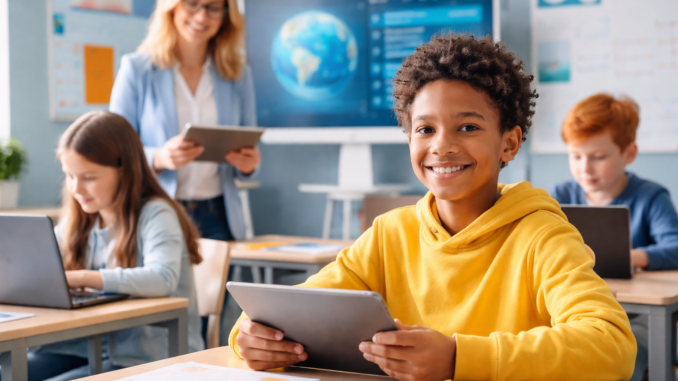
The Future of Education: How Digital Learning Is Transforming Classrooms Worldwide
Education is undergoing one of the most significant transformations in history. With the rapid growth of technology, traditional classrooms are evolving into dynamic digital learning environments. From online courses and virtual classrooms to artificial intelligence and personalized learning tools, digital learning is reshaping how students learn, how teachers teach, and how knowledge is shared across the globe.
The future of education is no longer limited to chalkboards and textbooks. Instead, it is driven by innovation, accessibility, and flexibility. This article explores how digital learning is transforming classrooms worldwide and what this means for students, educators, and societies in the years to come.
The Rise of Digital Learning in Modern Education
Digital learning refers to the use of technology to support teaching and learning processes. This includes online learning platforms, educational apps, virtual classrooms, interactive software, and digital resources such as videos, simulations, and e-books.
In recent years, digital learning has expanded rapidly due to increased internet access, the widespread use of smartphones and computers, and global events that accelerated the adoption of online education. Schools, universities, and training institutions around the world have embraced digital tools to continue education beyond physical classrooms.
This shift is not just a temporary solution but a long-term change that is redefining the future of education.
How Digital Learning Is Transforming Classrooms
1. Increased Accessibility to Education
One of the most powerful impacts of digital learning is improved access to education. Students in remote or underserved areas can now access high-quality learning materials, online courses, and virtual classrooms that were previously unavailable to them.
Digital learning removes geographical barriers, allowing learners to study anytime and anywhere. This global access promotes educational equality and helps bridge the gap between different regions and communities.
2. Personalized Learning Experiences
Traditional classrooms often follow a one-size-fits-all approach, which may not suit every student. Digital learning platforms use data, analytics, and adaptive technology to personalize education based on individual needs, learning speeds, and interests.
Students can review lessons, practice skills, and receive feedback at their own pace. Personalized learning helps improve engagement, understanding, and academic performance, making education more effective for diverse learners.
3. Enhanced Student Engagement
Digital tools make learning more interactive and engaging. Multimedia content such as videos, animations, quizzes, virtual labs, and gamified lessons capture students’ attention and make complex concepts easier to understand.
Interactive learning environments encourage active participation rather than passive listening. As a result, students are more motivated, focused, and involved in their learning journey.
4. The Role of Artificial Intelligence in Education
Artificial intelligence (AI) is playing an increasingly important role in digital learning. AI-powered systems can analyze student performance, identify learning gaps, and recommend personalized content.
Virtual tutors, chatbots, and automated grading systems help teachers save time while providing students with instant feedback and support. In the future, AI will continue to enhance teaching efficiency and learning outcomes across classrooms worldwide.
5. Virtual Classrooms and Online Collaboration
Virtual classrooms have become a key component of modern education. Through video conferencing, discussion boards, and collaborative tools, students and teachers can interact in real time regardless of location.
Online collaboration encourages teamwork, communication skills, and cross-cultural learning. Students can work on group projects, share ideas, and learn from peers around the world, preparing them for a globalized workforce.
Benefits of Digital Learning for Teachers
Digital learning does not only benefit students—it also empowers teachers.
Educators can access a wide range of teaching resources, lesson plans, and professional development courses online. Digital tools help teachers track student progress, customize instruction, and manage classrooms more efficiently.
Automation of tasks such as grading and attendance allows teachers to focus more on mentoring, creativity, and student support. As technology continues to evolve, teachers become facilitators of learning rather than sole providers of information.
Digital Learning and Lifelong Education
The future of education extends beyond schools and universities. Digital learning supports lifelong education by enabling individuals to continuously update their skills and knowledge.
Online courses, certifications, and micro-credentials allow learners to adapt to changing job markets and career demands. This flexible approach to education is essential in a world where technology and industries are constantly evolving.
Challenges of Digital Learning
Despite its many advantages, digital learning also faces challenges that must be addressed to ensure sustainable growth.
1. Digital Divide
Not all students have equal access to devices, reliable internet, or digital literacy skills. The digital divide remains a major challenge, particularly in developing regions.
Governments, institutions, and organizations must work together to improve infrastructure, provide affordable technology, and promote digital inclusion.
2. Teacher Training and Adaptation
Effective digital learning requires teachers to be comfortable with technology. Many educators need training and support to integrate digital tools into their teaching practices.
Professional development programs and continuous learning opportunities are essential to help teachers adapt to the changing educational landscape.
3. Maintaining Student Focus and Well-Being
Excessive screen time and lack of face-to-face interaction can impact students’ mental and physical well-being. Balancing digital learning with offline activities, social interaction, and physical movement is crucial.
The future of education should focus on blended learning models that combine the best of digital and traditional approaches.
Blended Learning: The Future Classroom Model
Blended learning combines digital learning tools with in-person instruction. This model offers flexibility while maintaining human connection and classroom interaction.
In blended classrooms, students may watch lectures online, complete digital assignments, and participate in discussions during in-person sessions. This approach maximizes learning efficiency and adapts to different learning styles.
Many experts believe blended learning will define the future of education, offering a balanced and sustainable solution.
Global Impact of Digital Learning
Digital learning is transforming education systems worldwide. Countries are investing in educational technology to improve learning outcomes, workforce readiness, and economic development.
International collaboration through online platforms promotes cultural exchange and shared knowledge. As education becomes more global and interconnected, digital learning plays a key role in shaping informed and skilled societies.
The Future Outlook of Education Technology
The future of education will continue to evolve with advancements in technology such as virtual reality (VR), augmented reality (AR), blockchain credentials, and immersive learning environments.
These innovations will make learning more experiential, secure, and engaging. Students will gain practical skills through simulations and real-world applications, preparing them for future careers.
Education will become more flexible, inclusive, and learner-centered than ever before.
Conclusion
The future of education is being transformed by digital learning on a global scale. Technology is breaking barriers, personalizing learning experiences, and creating opportunities for students and teachers worldwide.
While challenges such as access, training, and well-being must be addressed, the benefits of digital learning far outweigh the limitations. By embracing innovation and adopting balanced approaches like blended learning, education systems can prepare learners for a rapidly changing world.
Digital learning is not replacing education—it is redefining it. As classrooms continue to evolve, the future of education promises a more connected, accessible, and effective learning experience for generations to come.