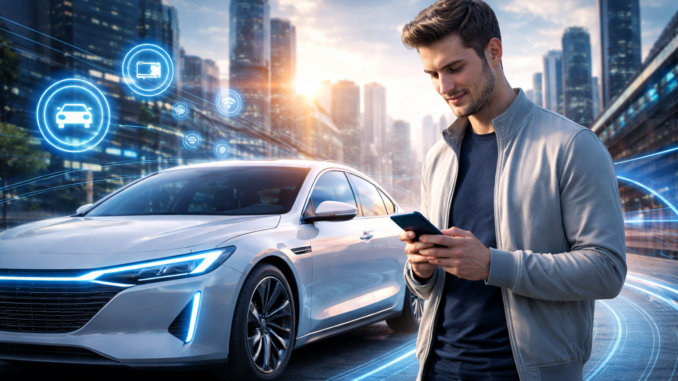
Top Automotive Technology Trends Transforming the Future of Driving in 2026
The automotive industry is undergoing one of the most significant transformations in its history. Rapid advances in technology, shifting consumer expectations, and stricter environmental regulations are reshaping how vehicles are designed, built, and driven. By 2026, cars will be smarter, safer, cleaner, and more connected than ever before. From electric powertrains to artificial intelligence-driven systems, automotive technology trends are redefining the future of driving.
This article explores the top automotive technology trends transforming the driving experience in 2026 and beyond, highlighting how innovation is changing mobility for individuals, businesses, and cities worldwide.
1. Electric Vehicles (EVs) Becoming the Mainstream Choice
Electric vehicles are no longer a niche product. By 2026, EV adoption is accelerating rapidly due to improvements in battery technology, expanding charging infrastructure, and falling production costs. Governments across the globe continue to introduce incentives and regulations that encourage the transition from internal combustion engines to electric power.
Modern EVs now offer longer driving ranges, faster charging times, and better overall performance. Solid-state batteries, which are expected to gain momentum by 2026, promise increased energy density, improved safety, and longer lifespans compared to traditional lithium-ion batteries.
As automakers invest heavily in electrification, consumers will see a wider variety of electric sedans, SUVs, trucks, and even performance vehicles, making EVs a practical and attractive option for nearly every driver.
2. Advanced Driver Assistance Systems (ADAS) Enhancing Safety
Safety remains a top priority in automotive innovation, and Advanced Driver Assistance Systems (ADAS) are evolving quickly. By 2026, most new vehicles will come equipped with sophisticated safety features that help prevent accidents and reduce human error.
Key ADAS technologies include adaptive cruise control, lane-keeping assistance, automatic emergency braking, blind-spot monitoring, and driver attention detection systems. These features rely on a combination of cameras, radar, ultrasonic sensors, and artificial intelligence to analyze road conditions in real time.
As these systems become more refined, they not only enhance safety but also build consumer trust in semi-autonomous driving technologies, paving the way for higher levels of vehicle automation.
3. Artificial Intelligence Powering Smarter Vehicles
Artificial intelligence is at the heart of many automotive technology trends shaping the future of driving. In 2026, AI will play a critical role in vehicle operation, personalization, and maintenance.
AI-powered systems can learn driver behavior and preferences, automatically adjusting seat positions, climate control, infotainment settings, and driving modes. Predictive maintenance systems use AI algorithms to analyze vehicle data and alert drivers to potential issues before they become serious problems, reducing repair costs and downtime.
Additionally, AI enhances voice recognition systems, allowing drivers to interact with their vehicles more naturally and safely without taking their eyes off the road.
4. Connected Cars and Vehicle-to-Everything (V2X) Communication
Connectivity is transforming cars into intelligent, networked devices. By 2026, connected car technology will be standard in most vehicles, enabling seamless communication between vehicles, infrastructure, pedestrians, and cloud-based services.
Vehicle-to-Everything (V2X) communication allows cars to share real-time data about traffic conditions, road hazards, weather, and accidents. This technology improves traffic flow, reduces congestion, and enhances safety by providing early warnings of potential dangers.
Connected vehicles also enable over-the-air software updates, ensuring that cars remain up to date with the latest features, security patches, and performance improvements without requiring a visit to the dealership.
5. Semi-Autonomous and Autonomous Driving Advancements
Autonomous driving continues to be one of the most talked-about automotive technology trends. While fully self-driving cars may not yet be widespread in 2026, significant progress is being made toward higher levels of automation.
Level 2 and Level 3 autonomous systems are becoming more common, allowing vehicles to handle certain driving tasks such as highway cruising, traffic jams, and parking with minimal driver input. These systems combine sensors, AI, and high-definition maps to navigate complex driving environments.
As regulations evolve and technology matures, autonomous driving features will gradually expand, improving convenience and safety while reducing driver fatigue.
6. Sustainable Materials and Eco-Friendly Manufacturing
Sustainability is no longer limited to vehicle emissions; it now extends to how cars are manufactured. By 2026, automakers are increasingly using sustainable materials and eco-friendly production processes to reduce their environmental impact.
Recycled plastics, bio-based materials, vegan leather alternatives, and lightweight composites are becoming more common in vehicle interiors and structures. These materials help reduce vehicle weight, improve fuel efficiency, and lower carbon emissions.
Manufacturers are also investing in greener factories powered by renewable energy and adopting circular economy practices that prioritize recycling and waste reduction throughout the vehicle lifecycle.
7. Next-Generation Infotainment and Digital Cockpits
The in-car experience is evolving rapidly, with next-generation infotainment systems becoming more intuitive and immersive. By 2026, digital cockpits will feature larger displays, augmented reality head-up displays (AR HUDs), and seamless smartphone integration.
Touchscreens, voice controls, and gesture recognition systems allow drivers to access navigation, entertainment, and vehicle settings easily. Augmented reality navigation overlays real-time directions onto the road view, improving clarity and reducing distractions.
These advancements enhance driver comfort, convenience, and engagement while maintaining a strong focus on safety.
8. 5G and High-Speed Connectivity in Vehicles
The rollout of 5G technology is significantly enhancing automotive connectivity. By 2026, 5G-enabled vehicles will benefit from faster data transmission, lower latency, and more reliable connections.
High-speed connectivity supports real-time navigation updates, streaming services, cloud-based AI processing, and advanced V2X communication. It also enables more accurate autonomous driving systems by allowing vehicles to access and process large amounts of data instantly.
As 5G infrastructure expands globally, connected vehicles will become an integral part of smart city ecosystems.
9. Personalization and User-Centric Design
Modern drivers expect their vehicles to adapt to their lifestyles. Automotive technology in 2026 emphasizes personalization through software-driven customization.
User profiles allow multiple drivers to store individual preferences for seating, mirrors, driving modes, and infotainment settings. Some systems even adjust driving dynamics based on real-time conditions and driver habits.
This focus on personalization enhances comfort, satisfaction, and brand loyalty, creating a more human-centered driving experience.
10. Cybersecurity and Data Protection
As vehicles become more connected and software-driven, cybersecurity is a growing concern. Automotive technology trends in 2026 place a strong emphasis on protecting vehicle systems and user data from cyber threats.
Manufacturers are implementing advanced encryption, secure communication protocols, and intrusion detection systems to safeguard connected vehicles. Regular software updates help address vulnerabilities and ensure compliance with evolving cybersecurity standards.
Robust cybersecurity measures are essential to maintaining trust and ensuring the safe operation of modern vehicles.
Conclusion: Driving Into the Future
The automotive industry in 2026 is defined by innovation, sustainability, and connectivity. Electric vehicles, artificial intelligence, advanced safety systems, and connected technologies are transforming how we drive and interact with our cars. These automotive technology trends are not only improving performance and convenience but also addressing critical challenges such as safety, environmental impact, and urban mobility.
As technology continues to evolve, the future of driving promises to be smarter, cleaner, and more efficient. For consumers, businesses, and policymakers alike, staying informed about these trends is essential to navigating the rapidly changing world of automotive innovation.