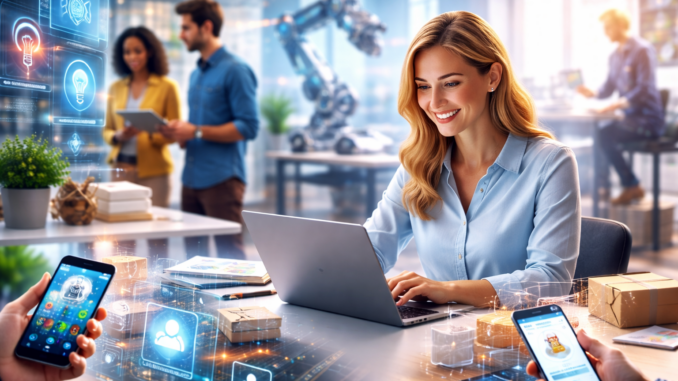
How Modern Technology Is Transforming Everyday Life and Business
Modern technology has become an inseparable part of daily life and business operations. From the moment we wake up and check our smartphones to how companies manage global teams and serve customers, technology influences almost every aspect of our world. Rapid digital transformation is reshaping communication, productivity, healthcare, education, and commerce, creating new opportunities while also redefining traditional ways of working and living.
This article explores how modern technology is transforming everyday life and business, highlighting key innovations and their real-world impact in a digital-first era.
The Digital Revolution in Everyday Life
Smarter Communication and Connectivity
One of the most visible changes brought by modern technology is how people communicate. Smartphones, social media platforms, and instant messaging apps allow individuals to stay connected anytime and anywhere. High-speed internet and cloud-based services have eliminated geographical barriers, making global communication effortless.
Video conferencing tools enable face-to-face interactions without physical presence, benefiting families, remote workers, and international businesses alike. As technology evolves, communication continues to become faster, more immersive, and more personalized.
Convenience Through Smart Devices
Smart devices are transforming daily routines by offering convenience and efficiency. Smart homes equipped with connected appliances allow users to control lighting, temperature, security systems, and entertainment with a simple voice command or mobile app.
Wearable technology such as smartwatches and fitness trackers helps individuals monitor health metrics, track physical activity, and manage wellness goals. These innovations empower people to make better lifestyle decisions while saving time and effort.
Digital Payments and Cashless Living
Modern technology has revolutionized how people manage money. Digital wallets, mobile banking apps, and contactless payments have made financial transactions faster and more secure. Consumers can pay bills, transfer funds, and shop online with just a few taps.
The shift toward cashless transactions improves convenience while also enhancing financial transparency and security. For businesses, digital payments streamline operations and provide valuable insights into customer behavior.
Technology’s Impact on Business Operations
Automation and Increased Productivity
Automation is one of the most significant ways modern technology is transforming business. Tasks that once required manual effort—such as data entry, inventory management, and customer support—can now be automated using software and artificial intelligence.
Automation helps businesses reduce errors, cut costs, and improve efficiency. Employees are freed from repetitive tasks and can focus on strategic planning, creativity, and problem-solving, leading to higher productivity and job satisfaction.
Artificial Intelligence in Decision-Making
Artificial intelligence (AI) is changing how businesses analyze data and make decisions. AI-powered tools process large volumes of information quickly, identifying patterns and insights that humans might overlook.
Businesses use AI for demand forecasting, customer behavior analysis, fraud detection, and personalized marketing. By leveraging data-driven insights, companies can make smarter decisions, reduce risks, and gain a competitive edge in their industries.
Remote Work and Digital Collaboration
The rise of modern technology has transformed the traditional workplace. Cloud computing, collaboration platforms, and project management tools enable employees to work remotely without sacrificing productivity.
Businesses can now access global talent, reduce overhead costs, and offer flexible work arrangements. Digital collaboration tools support real-time communication, file sharing, and teamwork, making remote and hybrid work models sustainable and effective.
Transformation of Customer Experience
Personalized Digital Experiences
Technology enables businesses to deliver highly personalized experiences to customers. Data analytics and AI help companies understand customer preferences, purchase history, and behavior patterns.
Personalized recommendations, targeted promotions, and customized content improve customer satisfaction and loyalty. Consumers benefit from relevant offers and seamless interactions, while businesses build stronger relationships with their audiences.
E-Commerce and Online Marketplaces
E-commerce has become a cornerstone of modern business. Online shopping platforms allow consumers to browse products, compare prices, and make purchases from the comfort of their homes.
For businesses, digital storefronts reduce the need for physical locations and expand market reach. Small and medium-sized enterprises can compete globally by leveraging online marketplaces and social commerce tools.
Faster and Smarter Customer Support
Modern technology has improved customer support through chatbots, virtual assistants, and AI-driven help desks. Customers can receive instant responses to common questions, reducing wait times and improving satisfaction.
Advanced systems route complex issues to human agents, ensuring efficient problem resolution. This combination of automation and human interaction enhances the overall customer experience.
Technology in Education and Skill Development
Online Learning and Digital Classrooms
Education has undergone a major transformation due to modern technology. Online learning platforms, virtual classrooms, and digital resources make education more accessible and flexible.
Students can learn at their own pace, access global expertise, and acquire new skills without geographical limitations. Businesses also benefit by offering online training programs to upskill employees efficiently.
Lifelong Learning in the Digital Age
Technology supports continuous learning and professional development. Digital courses, webinars, and certification programs enable individuals to adapt to changing job markets.
As industries evolve, the ability to learn new skills quickly becomes essential. Modern technology empowers individuals and organizations to remain competitive in a rapidly changing economy.
Healthcare and Technology Integration
Digital Health and Telemedicine
Modern technology is transforming healthcare by improving access, efficiency, and patient outcomes. Telemedicine platforms allow patients to consult healthcare professionals remotely, saving time and reducing costs.
Wearable devices and health apps monitor vital signs and provide real-time health insights. These technologies support preventive care and early diagnosis, improving overall healthcare quality.
Data-Driven Medical Innovation
Healthcare providers use data analytics and AI to enhance diagnostics, treatment planning, and research. Technology enables personalized medicine, where treatments are tailored to individual patient needs.
Digital health records improve coordination among healthcare providers, leading to better patient care and reduced errors.
Challenges and Responsible Technology Use
Data Privacy and Security Concerns
While modern technology offers numerous benefits, it also raises concerns about data privacy and cybersecurity. Businesses and individuals must protect sensitive information from cyber threats and unauthorized access.
Implementing strong security measures, educating users, and following ethical data practices are essential to maintaining trust in digital systems.
Bridging the Digital Divide
Access to technology is not equal across all regions and communities. Bridging the digital divide is critical to ensuring that everyone can benefit from technological advancements.
Governments, businesses, and organizations play a key role in expanding digital access, improving infrastructure, and promoting digital literacy.
The Future of Technology in Life and Business
Modern technology will continue to evolve, bringing even greater changes to everyday life and business. Emerging innovations such as artificial intelligence, smart automation, and immersive digital experiences will further redefine how people interact, work, and consume services.
Success in this digital era depends on adaptability, continuous learning, and responsible technology adoption. Businesses that embrace innovation while prioritizing ethics and sustainability will thrive in the long term.
Conclusion
Modern technology is transforming everyday life and business in profound and lasting ways. It enhances convenience, boosts productivity, improves communication, and creates new economic opportunities. From smart devices and digital payments to AI-powered business strategies and remote work, technology is shaping a more connected and efficient world.
As technology continues to advance, staying informed and adaptable is essential. By embracing innovation responsibly, individuals and businesses can unlock the full potential of modern technology and build a smarter, more sustainable future.